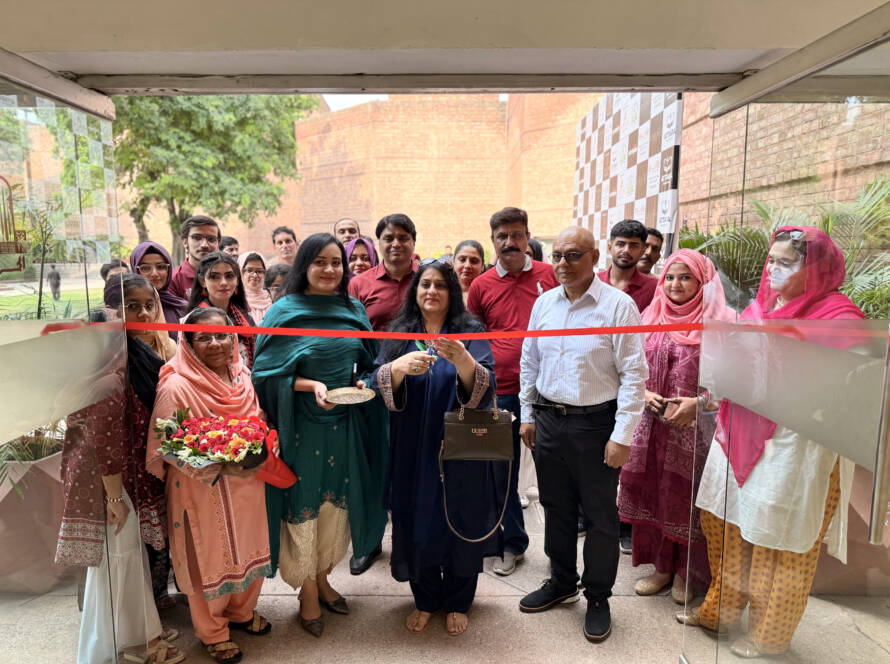
Art has always been one of the most powerful forms of human expression. It reflects culture, emotions, history, and identity in ways that words often cannot. However, behind every successful artist lies a journey of struggle, recognition, and opportunity. In today’s competitive creative industry, art galleries play a crucial role in shaping and supporting emerging artists, providing them with platforms to showcase their talent and connect with audiences.
One of the organizations actively contributing to this mission is Aesthetic Circle, which continues to empower young and emerging artists through curated exhibitions, collaborative platforms, and cultural initiatives. This article explores how art galleries like Aesthetic Circle are transforming the creative landscape and supporting new talent in meaningful ways.
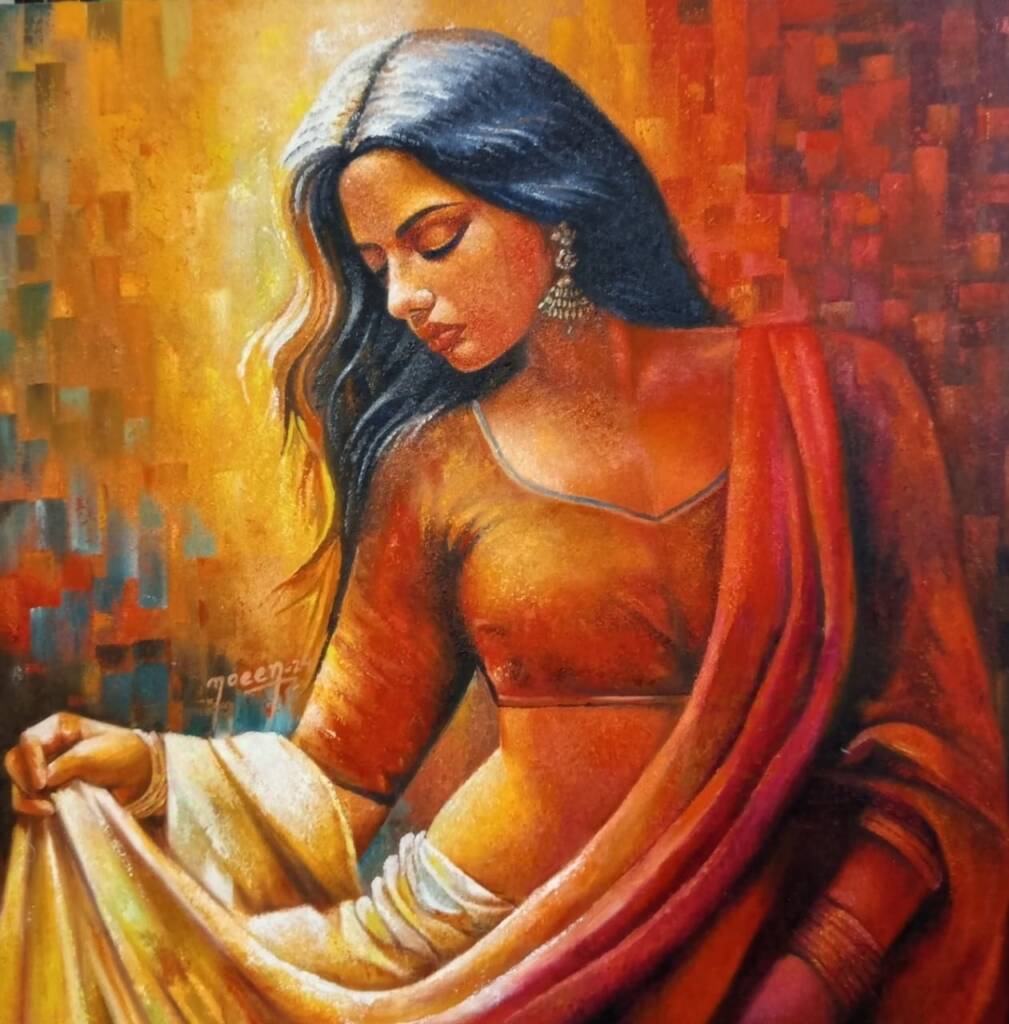
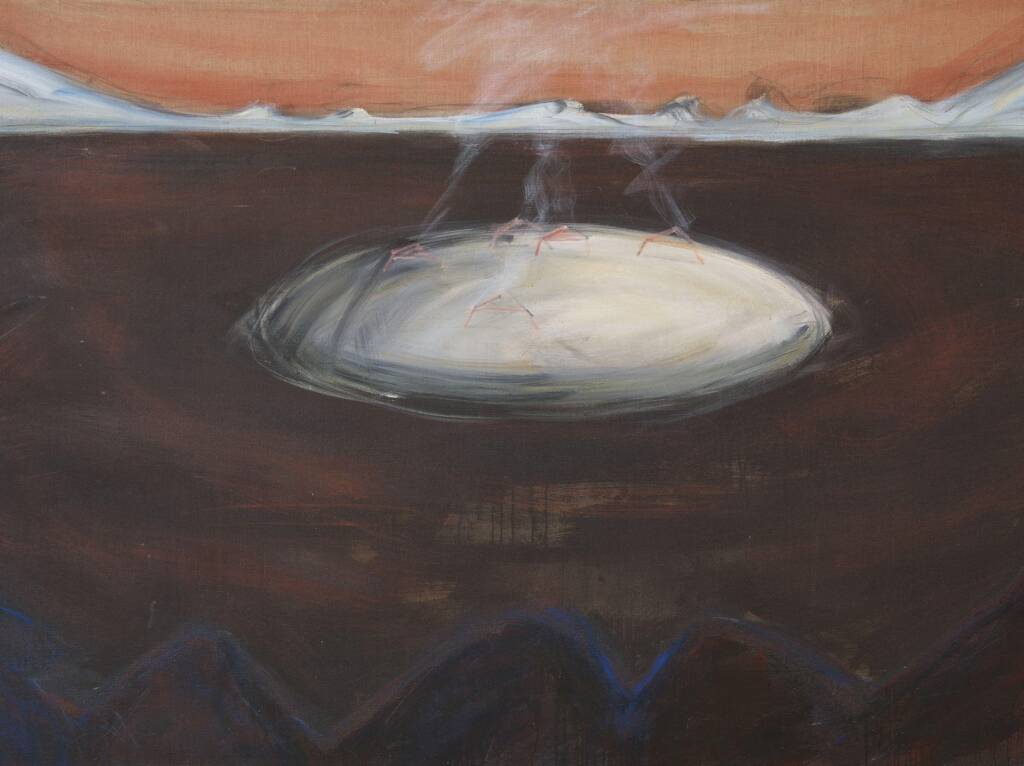
Understanding the Importance of Art Galleries
Art galleries are more than just physical spaces where artworks are displayed. They are cultural institutions that bridge the gap between artists and the public. For emerging artists, galleries serve as a gateway to recognition, credibility, and professional growth.
In countries like Pakistan, where the creative industry is growing rapidly, galleries provide essential support systems that help artists transition from amateur creators to recognized professionals. Without these platforms, many talented individuals would struggle to gain visibility.
Galleries such as Aesthetic Circle are redefining this role by not only exhibiting artwork but also creating communities where artists can learn, collaborate, and evolve.
Art is not what you see, but what make you others see.
Edgar Degas
Providing a Platform for Visibility
One of the most important roles of art galleries is to offer visibility to emerging artists. New artists often lack access to large audiences or established collectors. Galleries solve this problem by organizing exhibitions, art shows, and curated events.
For instance, exhibitions curated by Aesthetic Circle bring together artists from different backgrounds and provide them with the opportunity to display their work to a diverse audience, including art lovers, critics, collectors, and media representatives.
This visibility is often the first step toward building an artist’s career. A single exhibition can lead to recognition, sales, commissions, and long-term professional relationships.
Building Artistic Confidence
Emerging artists often struggle with self-doubt and uncertainty. The validation that comes from being selected and displayed in a reputable gallery can significantly boost their confidence.
When artists see their work appreciated by curators, visitors, and industry experts, it reinforces their belief in their talent. This psychological encouragement is essential for long-term creative growth.
Through its exhibitions and events, Aesthetic Circle helps artists gain this confidence by providing them with a supportive and appreciative environment.

Connecting Artists with Collectors and Buyers
Another major role of art galleries is to connect artists with potential buyers and collectors. The art market is highly competitive, and without proper exposure, many artists remain unnoticed.
Galleries act as intermediaries, helping artists reach individuals who value and invest in art. This connection not only supports artists financially but also motivates them to continue producing high-quality work.
Events organized by Aesthetic Circle often attract collectors, corporate buyers, and art enthusiasts, creating valuable opportunities for emerging artists to sell their work and build sustainable careers.
Encouraging Artistic Collaboration
Art is not created in isolation. Collaboration plays a vital role in artistic development. Galleries provide an environment where artists can interact, exchange ideas, and collaborate on creative projects.
By organizing group exhibitions and panel discussions, Aesthetic Circle fosters a culture of collaboration among artists from different disciplines such as painting, calligraphy, sculpture, and digital art.
This interaction helps artists learn from one another, explore new techniques, and expand their creative horizons.
Educational and Cultural Development
Art galleries also contribute to the educational development of artists and audiences. Through workshops, seminars, and discussions, galleries educate emerging artists about techniques, art history, and market trends.
For example, exhibitions curated by Aesthetic Circle often include artist talks and panel discussions where experts share insights about the art industry, creative processes, and cultural significance of art.
These educational initiatives help artists grow not only creatively but also professionally, preparing them for long-term success in the art world.
Promoting Cultural Heritage and Identity
Art is deeply connected to cultural identity. In Pakistan, traditional art forms such as calligraphy, miniature painting, and Tezhip hold great historical significance.
Art galleries play a crucial role in preserving and promoting these traditions while also encouraging innovation. By showcasing both traditional and contemporary artworks, galleries ensure that cultural heritage remains alive and relevant.
Aesthetic Circle has been actively involved in promoting Islamic calligraphy and traditional art forms through curated exhibitions that highlight the richness of Pakistan’s artistic heritage.
Supporting Economic Growth for Artists
Beyond cultural and emotional support, art galleries also contribute to the economic stability of artists. Many emerging artists struggle to monetize their work in the early stages of their careers.
By organizing exhibitions, galleries create opportunities for artists to sell their work directly to buyers. This income helps artists sustain their practice and invest in better materials and resources.
Galleries like Aesthetic Circle play an important role in building a structured art market where artists are fairly compensated for their creativity.
Creating Professional Exposure and Recognition
Recognition is one of the most important aspects of an artist’s career. Being featured in exhibitions, publications, and media coverage can significantly enhance an artist’s reputation.
Art galleries help artists gain this exposure by collaborating with media partners, organizing high-profile events, and inviting influential guests from the art and cultural sectors.
Through its well-curated exhibitions and events, Aesthetic Circle has successfully positioned many emerging artists in front of influential audiences, helping them build strong professional profiles.
Strengthening the Art Community
Art galleries also play a key role in building and strengthening the art community. They bring together artists, curators, critics, collectors, and audiences under one roof.
This sense of community fosters mutual respect, inspiration, and collaboration. It also encourages continuous engagement with art and culture.
Aesthetic Circle has been instrumental in creating such a community by consistently organizing exhibitions and cultural events that unite creative individuals from across Pakistan.
Encouraging Innovation and Contemporary Expression
While preserving tradition is important, innovation is equally essential in art. Galleries encourage artists to experiment with new styles, mediums, and concepts.
This balance between tradition and innovation helps the art world evolve. Emerging artists are encouraged to push boundaries and develop unique artistic voices.
Through its curated exhibitions, Aesthetic Circle provides a platform where both traditional and contemporary art can coexist and inspire each other.
The Future of Art Galleries and Emerging Artists
The future of art galleries is evolving rapidly with the integration of digital platforms, online exhibitions, and global connectivity. However, the core mission remains the same: to support and nurture artistic talent.
Organizations like Aesthetic Circle are leading this transformation by combining traditional gallery experiences with modern creative approaches.
As the art industry continues to grow, the role of galleries will become even more important in shaping the careers of emerging artists and preserving cultural identity.
Conclusion
Art galleries are not just exhibition spaces; they are powerful institutions that shape the future of artists and culture. They provide visibility, confidence, financial support, education, and community to emerging artists.
Through its visionary initiatives, Aesthetic Circle stands as a strong example of how galleries can transform the lives of artists and contribute to the cultural development of society.
By continuing to support emerging talent, art galleries ensure that creativity remains alive, dynamic, and accessible for generations to come.