In the world of visual arts, an art gallery is often seen as a space filled with paintings, sculptures, and creative expressions. However, what truly brings life to these spaces is not just the artwork itself, but the careful and thoughtful process of curation. Curation is the invisible thread that connects artworks, artists, and audiences into a meaningful experience.
To understand an art gallery deeply, one must understand curation—the soul that shapes its identity, narrative, and emotional impact. Organizations like Aesthetic Circle have played a significant role in redefining curatorial practices in Pakistan by creating exhibitions that are not only visually appealing but also conceptually powerful.
What is Art Curation?
Art curation is the process of selecting, organizing, and presenting artworks in a way that communicates a story or theme. A curator is not just someone who hangs paintings on a wall—they are storytellers, researchers, and cultural interpreters.
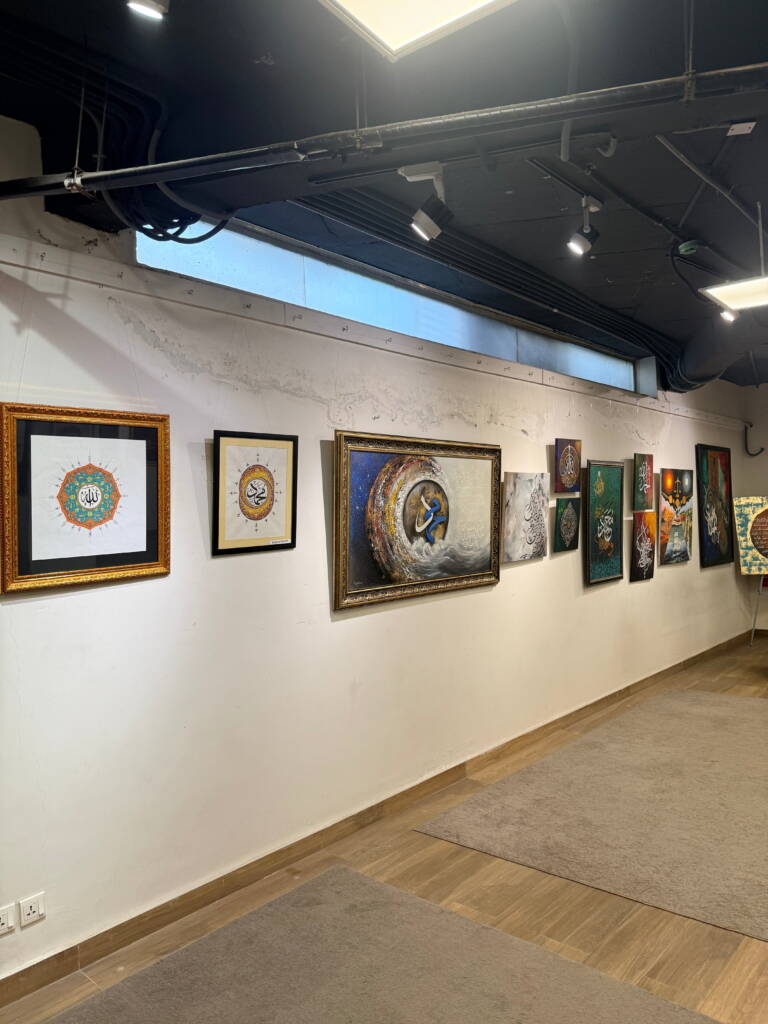
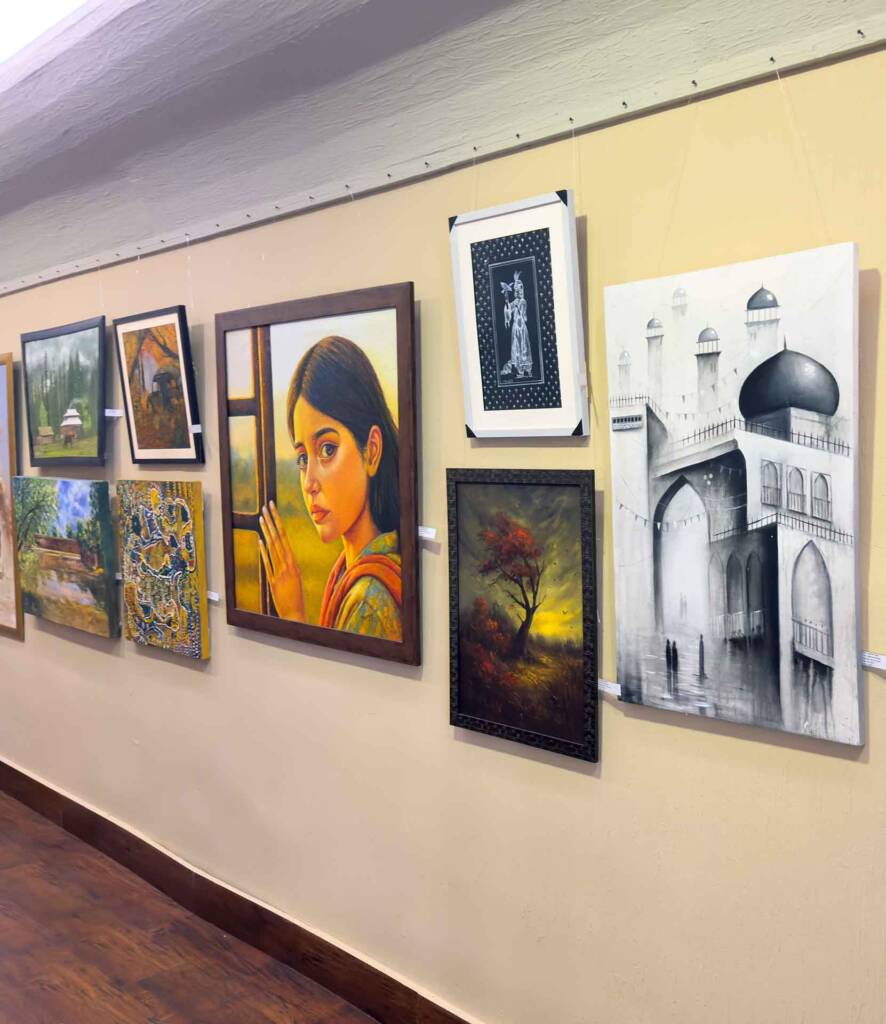
A good curator considers:
- The theme of the exhibition
- The message behind each artwork
- The relationship between different pieces
- The emotional journey of the viewer
- The overall spatial experience of the gallery
In essence, curation transforms a collection of individual artworks into a unified artistic experience.
Curation as Storytelling
Every curated exhibition tells a story. Unlike a random display of artworks, curated exhibitions follow a narrative structure. This story may focus on culture, identity, history, emotions, or social issues.
For example, exhibitions curated by Aesthetic Circle often focus on meaningful themes such as cultural heritage, Islamic calligraphy, contemporary expression, and national identity. Instead of presenting artworks randomly, each piece is carefully placed to build a visual and emotional journey for the viewer.
This storytelling approach allows visitors to not just see art, but to feel and understand it on a deeper level.
The Role of the Curator
A curator is often considered the backbone of any successful art exhibition. Their responsibility goes far beyond selection—they shape the entire experience.
A curator must:
- Understand the vision of each artist
- Identify artworks that align with the exhibition theme
- Ensure visual harmony within the space
- Balance emerging and established artists
- Create an engaging flow for visitors
At Aesthetic Circle, curatorial vision is driven by the belief that art should not only be displayed but experienced. The curatorial process ensures that every exhibition reflects both artistic excellence and cultural relevance.
Why Curation Matters in Art Galleries
Without curation, an art gallery would simply be a room filled with unrelated artworks. Curation gives meaning, direction, and emotional depth to exhibitions.
Here’s why it is essential:
1. Creates Meaningful Experiences
Curation connects individual artworks into a larger narrative, helping visitors understand the deeper message behind the exhibition.
2. Highlights Emerging Artists
A well-curated exhibition gives emerging artists equal visibility alongside established names, helping them gain recognition.
3. Enhances Viewer Engagement
When artworks are thoughtfully arranged, visitors spend more time engaging with the exhibition and understanding its story.
4. Strengthens Artistic Identity
Curated exhibitions reflect the identity of both the gallery and the curators, building a recognizable artistic voice.
Curation and Emotional Impact
Art is deeply emotional, and curation enhances this emotional connection. The way artworks are arranged can influence how visitors feel—whether it is inspiration, reflection, joy, or even sadness.
For example, placing powerful calligraphy works alongside contemporary interpretations can create a dialogue between tradition and modernity. This emotional layering is what makes curated exhibitions memorable.
Aesthetic Circle focuses heavily on emotional storytelling in its exhibitions, ensuring that every visitor leaves with a lasting impression.
The Balance Between Art and Space
One of the most important aspects of curation is spatial design. The arrangement of artworks within a gallery influences how they are perceived.
Curators must consider:
- Wall spacing and lighting
- Viewing angles
- Flow of visitor movement
- Visual balance between artworks
A well-curated space feels natural and immersive, guiding visitors seamlessly from one artwork to another.
At exhibitions organized by Aesthetic Circle, special attention is given to spatial harmony, ensuring that each artwork is given the attention it deserves while contributing to the overall exhibition narrative.
Supporting Artistic Dialogue
Curation is not only about display—it also encourages dialogue between artists and audiences. Curated exhibitions often include artist talks, panel discussions, and interactive sessions.
These platforms allow artists to explain their work, share their inspiration, and engage with viewers. This interaction deepens the understanding of art and strengthens the creative community.
Through initiatives like exhibitions and discussions, Aesthetic Circle has created spaces where art becomes a conversation rather than just a visual experience.
The Evolution of Modern Curation
In the modern era, curation has evolved beyond physical galleries. Digital exhibitions, virtual galleries, and online art platforms have expanded the reach of curated art experiences.
Curators now work across both physical and digital spaces, ensuring that art remains accessible to a global audience.
Despite these changes, the core principle of curation remains the same: to create meaning through thoughtful selection and presentation.
Curation is the invisible force that transforms an art gallery into a powerful cultural experience. It is the soul that connects artists, artworks, and audiences in a meaningful journey.
Without curation, art loses context. With it, art gains life, story, and emotional depth.
Organizations like Aesthetic Circle continue to elevate the art scene by embracing thoughtful curatorial practices that support emerging artists and celebrate cultural expression.
As the art world continues to evolve, curation will remain at its heart—guiding, shaping, and giving meaning to every artistic expression.